



Versiti - Donate Blood
Explore our service lines

Hope Starts HereDonate Blood

Make hope possible in your community. Schedule your donation today.

Your Blood Donation Makes a Difference

You’re just a few clicks away from helping someone in your community heal, recover and move forward.

Every Versiti blood donation is carefully tested, tracked and delivered to hospital partners across the Midwest — helping them stay ready for trauma care, cancer treatment, surgeries and more.

Make an appointment today and turn compassion into action. Patients are counting on moments like yours.

If you have a donation scheduled today, complete your pre-donation questions using our VersiPASS system.

ChangeA Life Today

Donate blood at a Versiti donor center or blood drive near you. Schedule a blood donation appointment in minutes and help patients across the Midwest.

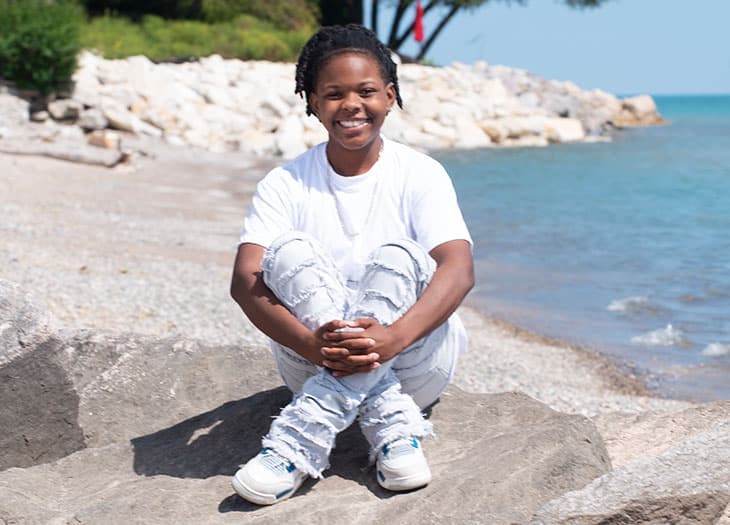
Lena Harvey, Sickle Cell warrior.

What Should I Donate?

Blood donation is not one-size-fits-all. Whole blood supports patients every day, while platelets and plasma help meet specific needs like cancer care, trauma, and procedures. We are grateful for every person who steps in to help. If you are curious which option fits your schedule, we will guide you.

Learn About Donation Types
Sarah Gross, rare blood type donor.

Blood Types Explained

Your blood type helps guide what hospitals can use most and how your donation can reach more patients. Some types are especially helpful for platelets, plasma, or red cells. When you know your type, you can choose a donation that matches real patient needs.

Learn About Blood Types

The Power of a Vibrant Blood Supply

Tia Wilson, sitting on a rock on the beach.

Serving Every Patient in Every Community

When it comes to blood transfusions, matching matters. Blood type is inherited, meaning a compatible donor is often someone who shares a similar genetic background. A vibrant and varied blood supply—one that reflects the rich tapestry of our communities—helps ensure better health outcomes for all.

Patients living with conditions such as sickle cell disease may require ongoing transfusions. For example, Ro blood type is critical for many sickle cell patients. This rare blood type is more common among people of African descent. By maintaining a broad and varied donor base, we can better meet the urgent and specific needs of every patient.

When you give blood, you offer hope. A more varied donor community means more lives saved and healthier futures made possible.

Learn About the Ro Blood Type
Your blood is rare and exceptional graphic

What is Sickle Cell Disease?

Sickle cell disease (SCD) is aninherited disorder of hemoglobin. Individuals with sickle cell disease have abnormal, or 'sickle shaped', red blood cells. These cells cannot transport oxygen well, have a shorter lifespan and aren't replaced as quickly by the body as normal, healthy red blood cells.

This can cause anemia. Learn more by downloading the Sickle Cell Disease information flyer.

Download the Sickle Cell Disease Flyer
Lena Harvey

Lena Harvey

I just want people to keep it in the right perspective and to consider how great their life could be, instead of focusing on how bad it was. I have lived that many times over, but we all deserve a chance at life.

Lena Harvey
Sickle Cell Warrior and Blood Donation Advocate

The Donation Process

Giving blood at Versiti is nothing to be afraid of. Watch as we walk you through the process, from checking in at our donation center or blood drive, to enjoying your post-donation snacks. The time flies by when you listen to music or a podcast! Because each donation can save up to three lives, every donor makes a difference. Local hospital patients are counting on you. Give it a try. Give back. Give blood.

Donar sangre en Versiti no es nada que temer. Observe cómo lo guiamos a través del proceso, desde registrarse en nuestro centro de donación o campaña de donación de sangre hasta disfrutar de sus refrigerios despues de la donación. ¡El tiempo pasa volando cuando escuchas música o un podcast! Dado que cada donación puede salvar hasta tres vidas, cada donante marca la diferencia. Los pacientes del hospital local cuentan con usted. Darle una oportunidad. Devolver. Done sangre.

Building Trust and Expanding Access

Currently, less than 10% of the U.S. population donates blood each year—and donations are disproportionately from white donors. Black, Indigenous, and other communities of color remain underrepresented in the national blood supply. Together, we can change this. A more vibrant and varied community of donors strengthens the entire healthcare system and ensures that every patient has the best chance at recovery.

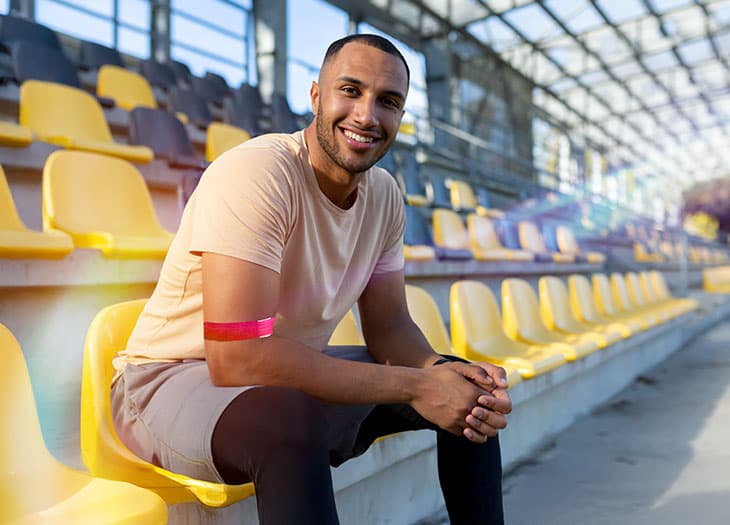
Blood donor sitting in a stadium.
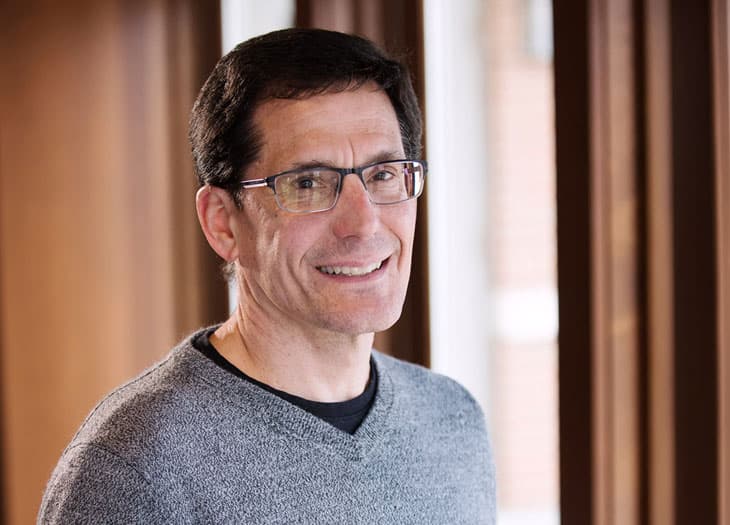
Alan Mast, MD

Advancing Knowledge to Strengthen Health

At Versiti Blood Research Institute, science drives our service. Our researchers, led by Senior Investigator Alan E. Mast, MD, PhD, participate in the National Institutes of Health’s REDS (Recipient Epidemiology and Donor Evaluation Study) program. Through this work, we've expanded understanding of blood donors' health, including critical research on iron levels and donor wellness.

Anemia—often caused by iron deficiency—is the most common blood disorder in the United States. It affects nearly 20% of Black and Mexican-American women and 9-12% of non-Hispanic white women. These insights guide how we care for our donors, protect their health, and grow a sustainable, vibrant blood supply for the future.

Hope, It's In Our Blood

Every blood donation is a courageous act of community. When you give, you help build a future where every patient—no matter their background—has access to the life-saving care they need. Together, we can deliver hope, one pint at a time.

Frequently Asked Questions

Yes. The following forms of identification with a photo and birth date are acceptable:

  • Driver’s license
  • State-issued ID
  • Student ID card
  • Passport, visa or green card

The process for donating whole blood takes about an hour from the time you walk in the door to the time you leave. This includes registration, a brief medical screening, blood collection and refreshments. 

Collecting one unit of whole blood only takes about 10 minutes; however, you can expect to spend more time donating products like red cells, platelets and plasma (also known as apheresis procedures).

All donated blood products undergo a series of tests to ensure they are safe for patients to receive and are typically available for use 24-48 hours following donation. Whole blood is separated into components (red cells, platelets and plasma) and after processing, the red cells can be stored for 42 days. Plasma can be frozen and stored for up to 12 months. Platelets expire after 5 days.

Donating blood does not hurt, though you might feel a pinch when the needle first goes into your arm. In that moment, think about the patients you're helping who rely on the generosity of people like you to feel healthy. You may experience discomfort for a few seconds, but you'll have the lasting reward of knowing you saved a life. 

Donation Process

  • Get a good night’s sleep.
  • Eat a healthy meal at least one hour before donating.
  • Be well hydrated before your donation.
  • Make sure to bring a form of verification — such as a driver’s license, donor ID card, or government-issued ID — that shows your name and birthdate.

  • Sign in and have your identification ready!
  • A donor specialist will get you started on a questionnaire on a tablet related to your health, travel and other risk factors. (If you’d like more information about some of the questions, visit the eligibility section.)

  • The donor specialist will ask follow-up questions regarding your answers to the questionnaire to ensure that donating is right for you and safe for patients. Your answers are confidential.
  • A donor specialist will conduct a “mini physical,” checking your blood pressure, temperature and pulse.
  • He or she will also take a small drop of blood from your finger to test your blood iron count.

  • If you meet all the requirements, you’ll be escorted to a bed in the donor room.
  • The donor specialist will clean your arm and use a sterile blood donation kit to draw blood from a vein in your arm.
  • Approximately 1 pint of blood is drawn, which takes approximately 10 minutes.
  • After the donation, the donor specialist will remove the needle and ask you to apply pressure and raise your arm to prevent clotting.

  • When you are ready, you will be escorted to our donor cafe for a bit of rest and rehydration.
  • Have a seat and let our volunteer or staff bring you your choice of water, juice, cookies and other snacks.
  • It’s a good idea to relax for at least 10 minutes so your body has time to begin replacing your donated fluids.

  • Enjoy your day — you’ve earned it!
  • Drink more fluids than usual in the next few hours, but avoid alcohol.
  • Eat a nutritious meal soon after you donate.
  • Keep your bandage on for about 3 hours.
  • You may resume normal daily activities, but avoid strenuous exercise.
  • If you’re feeling funny or light-headed, lay down for a little bit and drink more fluids.

While about 38% of the population is eligible to donate blood, fewer than 5% do. It’s easy to verify that you are eligible. If you have additional questions about blood donation, please check our Blood Donation FAQs.

Help save lives in your community. Become a voluntary blood donor today! Schedule your blood donation.