Versiti - Versiti Organ, Tissue & Eye Donation
Explore our service lines

Organ, Tissue &Eye Donation

Learn more about how organ donation works, the process of organ donation, and how you can become a donor and save lives.

The Donation Process

After a severe medical event occurs, hospital staff notifies Versiti. Federal regulations mandate that the hospital notify an organ procurement organization (OPO) of all deaths and impending deaths.

The patient is evaluated to determine whether they are a suitable organ and tissue donor. Criteria include age, cause of death and medical history.

If a patient is determined to be a suitable organ and tissue donor candidate, Versiti discusses donation with the donor’s family. Authorization for donation may happen via first-person or next-of-kin authorization.

First-person authorization includes any individual who has registered as an organ, tissue and eye donor on the Wisconsin state registry or the national donor registry, and any individual who has authorized donation by means of an advanced directive, power of attorney or living will.

First-person authorization is a legal authorization for anatomical gift donation and does not require additional consent. If donation has not been first-person authorized, legal next-of-kin may authorize donation on behalf of the individual in the event of his/her death (Wis. Stat. 157.06).


Donor families must also answer a medical/social questionnaire to protect recipients and screen for communicable diseases, such as HIV and hepatitis.

If the donor’s organs and tissues are suitable, they are recovered during a surgical procedure. If certain organs and tissues cannot be used for transplantation, some may be donated for research.

Types of Donation

One organ donor can save up to eight lives. Organ donation involves the recovery of:
  • Heart
  • Intestines
  • Kidneys
  • Liver
  • Lungs
  • Pancreas

One tissue donor can restore the health and enhance the lives of more than 75 people. Donated human tissue can be used in intricate surgeries and can benefit patients in a variety of life-threatening situations, including healing severe burns, repairing torn ligaments and tendons, restoring mobility, and repairing musculoskeletal structures like teeth, skin and spine.

Tissue donation involves the recovery of:

  • Corneas and/or whole eyes
  • Bone
  • Skin
  • Tendons and ligaments
  • Heart valves
  • Vascular tissues

Resources:

Are you an expectant mother with a planned C-section? Learn more about placenta donation.

Resources forFamilies and Hospitals


Community Resources

Versiti Organ and Tissue offers several resources, outreach programs and educational opportunities that encourage communities to support organ, tissue and eye donation.
 

Hospital & Medical Partners

Versiti is an accredited organ procurement organization (OPO) that partners with Wisconsin regional hospitals, medical examiners and funeral homes.
 

Organ & Tissue Donor Family Resources

Versiti Organ and Tissue provides a number of resources and support materials for organ/tissue donor families, including donation outcomes and support.
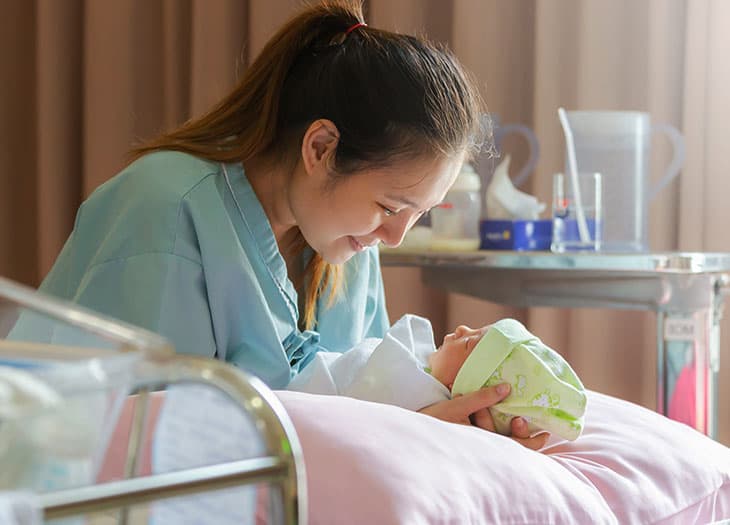
Women smiling holding her newborn baby at the hospital.

Placenta Donation

Expecting a scheduled C-section in Wisconsin? Versiti’s Placenta Donation Program helps eligible parents at participating hospitals donate birth tissue after delivery. Donated placenta is tested and processed under strict medical and ethical guidelines, then used to create grafts that can help patients with serious burns and other hard-to-heal wounds. Learn if you qualify, then submit the short form with your contact details and scheduled delivery date so our team can contact you about next steps. 

Learn More

Tissue Donation Informational Videos

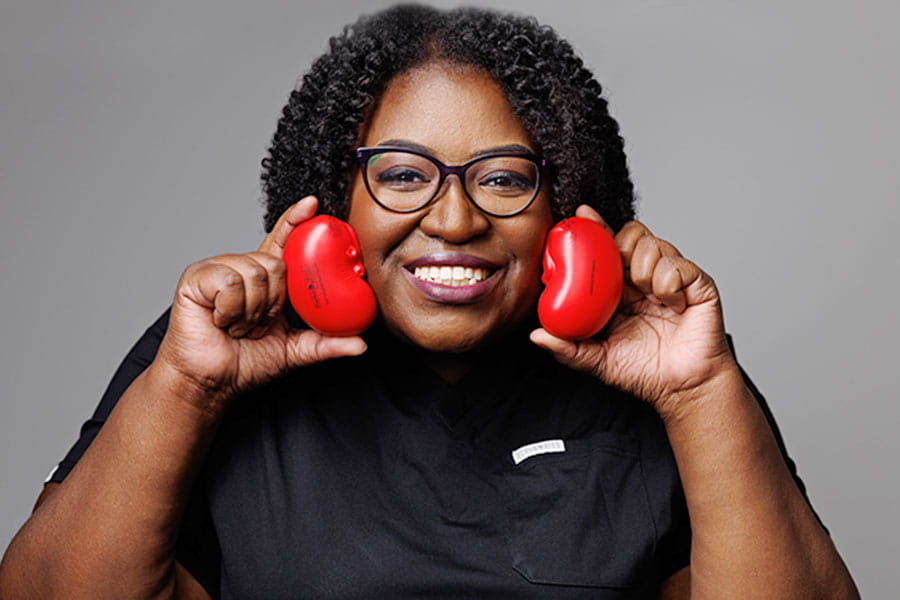
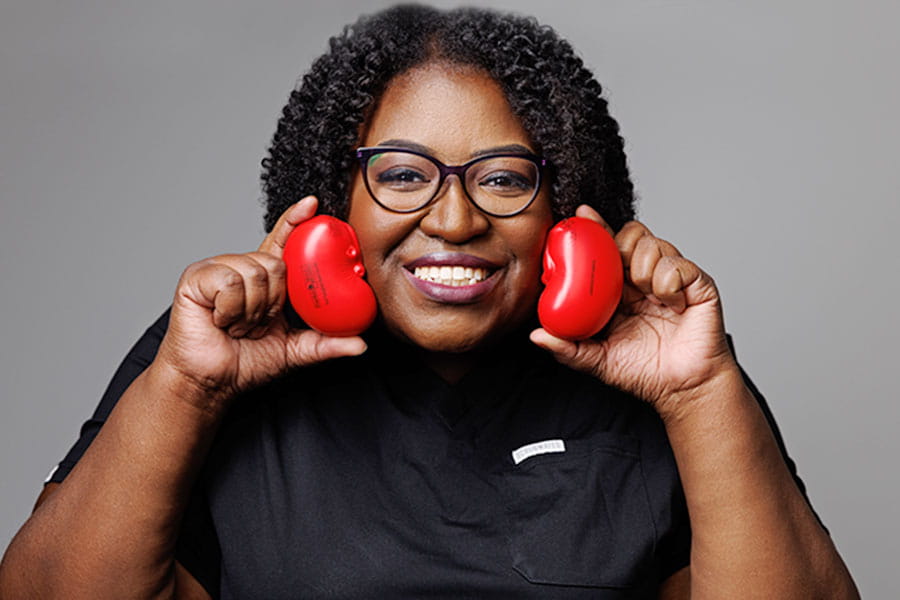
Terra Pearson, MD, Transplant Surgeon

You allow someone to be able to breathe. Someone to be able to walk again. Another person to be able to come off of dialysis. To have a new life again.

Terra Pearson
Transplant Surgeon

National Donate Life Month

2026 Donate Life Month National Campaign Image

Campaign Tools

Use the links below to access a variety of National Donate Life Month resources including social graphics, FAQ's, posters, flyers, and much more.

Frequently Asked Questions

After the decision is made to donate a loved one’s organs and tissues, Versiti’s clinical staff consults with the United National Network for Organ Sharing (UNOS) and transplant hospitals to find matches on the national waiting list. When matches are found, organs are allocated based on need and proximity.
 

Nationally, more than 110,000 people are waiting for a lifesaving organ transplant or a life-enhancing tissue transplant. One person is added to the waitlist every nine minutes, and 17 people die every day while waiting for an organ transplant.
Transplants are often the most successful when donors and recipients come from the same or similar backgrounds, necessitating a need for a large donor registry.
 

Yes. Organ, tissue and eye donation only becomes an option after every effort has been made to save your life.
 

Sexual orientation, gender and gender identity do not prevent people from registering as organ donors. However, certain FDA regulations may impact eligibility for tissue and eye donation.
 

No. All costs associated with organ donation lie with transplant recipients and their insurance providers. Donor families only pay for medical care provided to the individual before their death, as well as funeral costs. It is illegal to buy and sell organs in the United States.
 

Yes, organ and tissue donors are still able to have open-casket funerals. Great care is taken to ensure your loved one’s appearance is preserved.
 

  • Heart/lungs: 4-6 hours
  • Pancreas: 12-24 hours
  • Liver: 6-8 hours
  • Kidneys: 24-72 hours
  • Corneas: must be transplanted within 5-7 days
  • Tissues: may be preserved for 3-5 years

Nearly all religious groups support organ, tissue and eye donation and transplantation, as long as it does not impede the life or hasten the death of the donor. In fact, many religious groups encourage organ and tissue donation and see it as a charitable act that saves and enhances lives.

Versiti encourages all faith leaders to learn about their group’s official position on organ and tissue donation, transplantation and other ethical issues.

Give theGift of Life

One decision can change a life. More than 100,000 people nationwide are waiting for a transplant. Join the organ and tissue donor registry today and give someone a second chance.