

Explore our service lines

The Science Behind a Second Chance

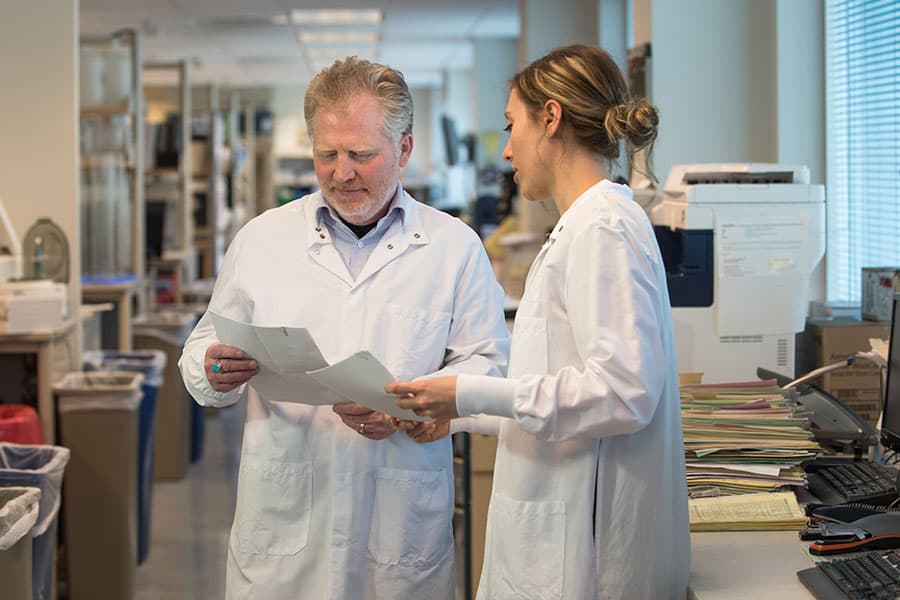
Learn how Dr. Brian Curtis and Versiti teams identified a rare CD36 antibody and found compatible platelets to support Semi after a bone marrow transplant.
The Science Behind a Second Chance

Milwaukee — September 11, 2026
Video produced by our friends at Zizzo Group.

The bone marrow transplant had been a success.

After years of living with sickle cell disease, 16-year-old Semi Olumeko finally had hope for a healthier future. His older brother, Temi, had donated the healthy bone marrow that made the transplant possible.

Then everything changed.

As Semi recovered, his platelet counts plummeted. Despite repeated platelet transfusions, his body destroyed every donation before it could help. His care team at Children’s Wisconsin was running out of answers.

That's when they turned to Versiti to solve a medical mystery few laboratories have the expertise to investigate.

At the Versiti Blood Research Institute (VBRI), Dr. Brian Curtis has spent decades studying the proteins found on blood cells and the rare antibodies that can cause transfusions to fail. Working alongside colleagues across the VBRI and Versiti's specialized laboratories, the team began piecing together why Semi's body was rejecting every platelet transfusion.

The clues pointed toward something most hospitals never have reason to test. 

Researchers discovered that Semi lacked a protein called CD36 on his platelets. The condition is rare in any population, though it occurs more often in people with African ancestry. Semi, whose family immigrated from Nigeria when he was a child, was among the small percentage of people born without the protein.

Earlier platelet transfusions had triggered his immune system to produce antibodies against CD36. From that point forward, every platelet transfusion was recognized as foreign and destroyed before it could help.

Finding the problem was only half the challenge.

Now the team needed platelets from donors who also lacked CD36, an exceptionally rare match.

Across Versiti, teams moved quickly. Scientists in the Platelet & Neutrophil Immunology Lab performed specialized testing to confirm the diagnosis and identify compatible donors. Diagnostic laboratory teams expedited samples. Donor specialists searched for rare CD36-negative platelet donors while clinicians tested Semi's family members for compatibility.

Remarkably, Temi shared the same rare CD36-negative type.

His specially matched platelet donations, along with donations from Versiti's rare donor community, gave Semi's body the support it needed to recover.

For Dr. Curtis, the case illustrates why research matters.

This breakthrough wasn't the result of a lucky guess. It was possible because of decades spent studying rare platelet disorders, developing specialized laboratory testing and building the expertise to recognize a condition that few institutions ever encounter.

It also demonstrated the power of collaboration. Scientists identified the rare antibody. Specialized laboratory teams confirmed the diagnosis. Donor experts searched for compatible platelet donors. Physicians adjusted Semi's treatment in real time. Each team solved a different part of the puzzle until, together, they found the answer.

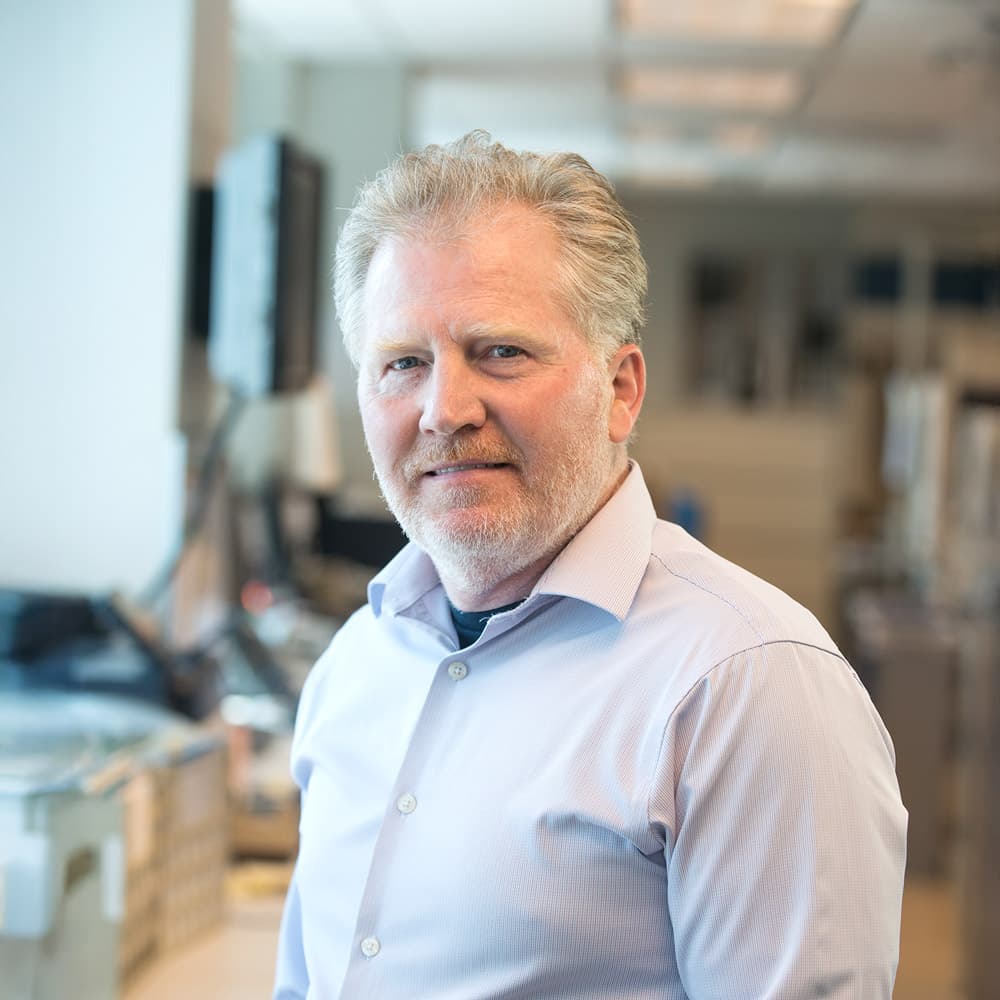
Dr. Brian Curtis

Dr. Brian Curtis

We're one of the few places in the country, if not the world, that could do this.

Brian Curtis, PhD, D(ABMLI), MT(ASCP) SBB
Senior Director, Diagnostic Hematology, Senior Investigator

Semi's case is already shaping the future.

Researchers at the Versiti Blood Research Institute are now studying how often patients with sickle cell disease develop the same rare complication and whether earlier testing could help future patients receive the specialized platelet transfusions they need sooner.

Semi's story is about the extraordinary bond between two brothers.

It is also a story about what becomes possible when blood donors, researchers, laboratory specialists and physicians work together. A brother gave Semi a second chance. Research made sure he could receive it.

Your support helps scientists investigate rare blood disorders, develop better testing and find solutions for patients whose conditions don't fit the textbook. Every discovery brings us closer to faster diagnoses, better treatments and more lives changed.
Give today and support research like this.
 

Versiti researchers identify previously undetected antibodies linked to heparin-induced thrombocytopenia

Versiti researchers identified previously undetected antibodies linked to heparin-induced thrombocytopenia.The findings could guide more accurate diagnostic testing and improve patient safety.
 

Updated Versiti Donor App Makes It Easier to Find, Schedule and Track Blood Donation

Donors can find nearby donation opportunities, manage appointments, use VersiPASS and stay connected to their giving impact from their phone.